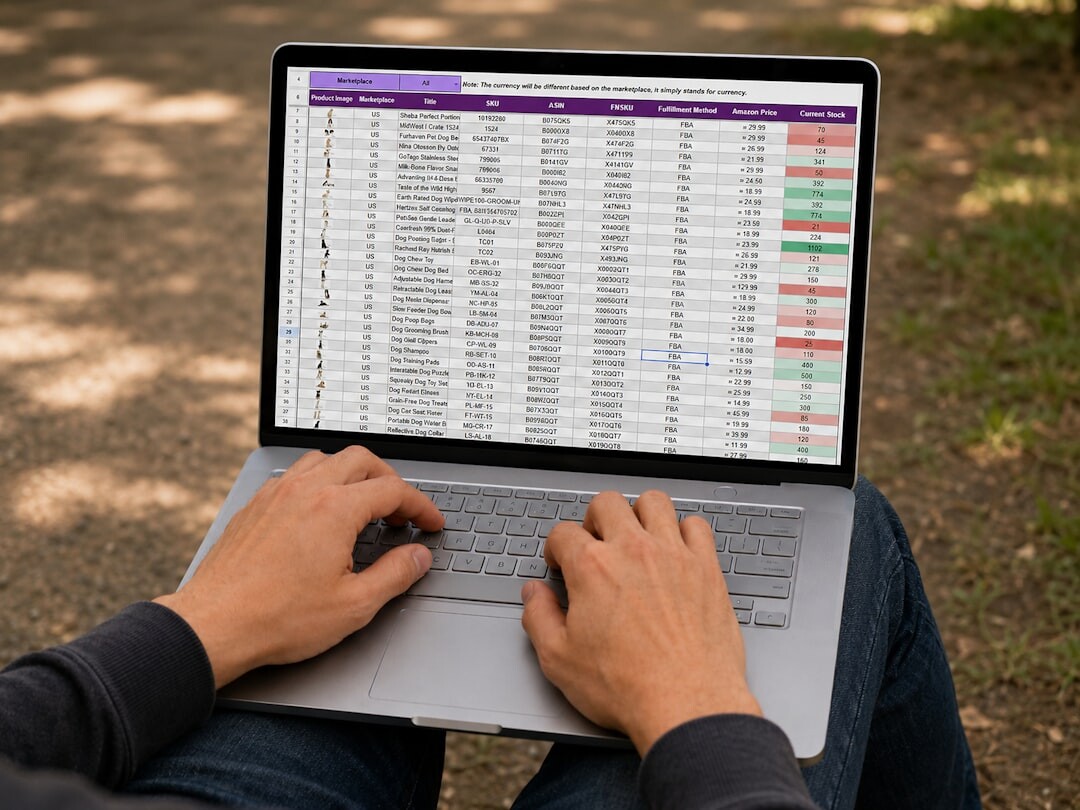
Budgeting often gets a bad reputation because it feels like a list of things you cannot do. In reality, a good budget is more like a map that shows you where your money can take you, rather than a set of roadblocks. The key is to shift your mindset from restriction to intention, so every dollar has a purpose that actually matters to you.
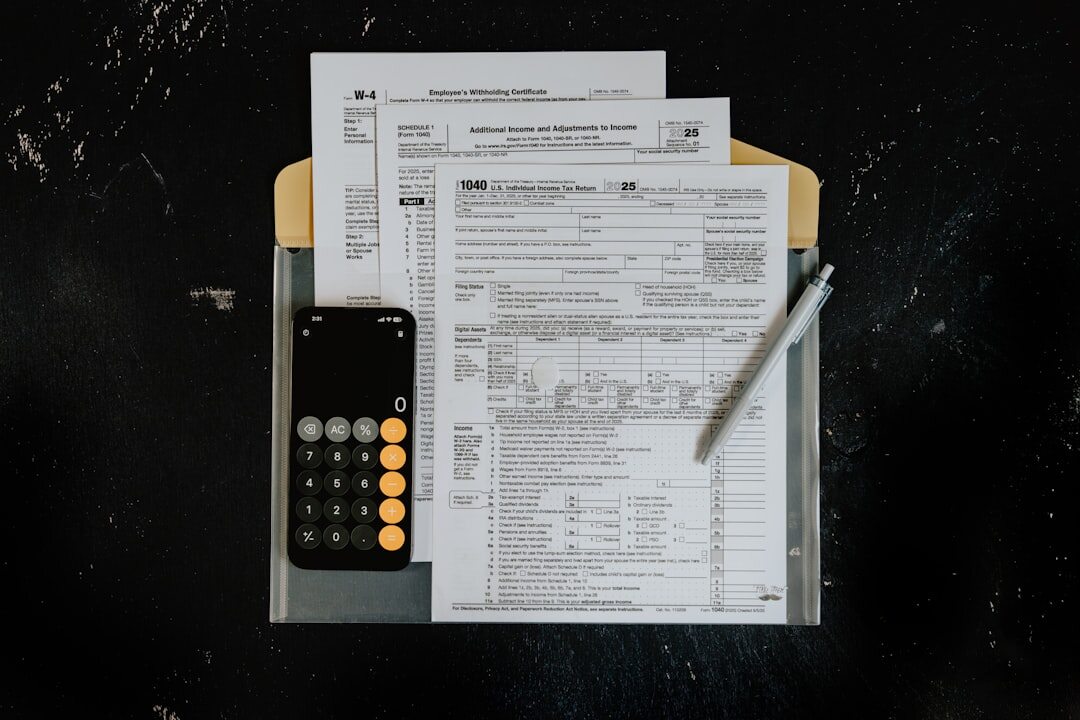
Start with what you value most
Before you open a spreadsheet or download an app, take a quiet moment to list the things that genuinely make your life better. Maybe it is weekend hikes with friends, cooking classes, or simply having a cushion for unexpected car repairs. When your budget reflects these priorities, it stops feeling like a chore and starts feeling like a tool that protects what you love. People who succeed long term usually tie their spending choices to these core values instead of following generic rules they read online.
Track spending without judgment
Many beginners make the mistake of tracking every purchase and then feeling guilty about coffee runs or streaming subscriptions. Instead, spend one month simply observing where money goes, without changing anything. You will likely notice patterns that are easy to adjust once you see them clearly. A simple notebook or a basic phone note works just as well as fancy software at this stage. The goal is awareness, not perfection.

Build flexibility into every category
A rigid budget breaks the first time life happens. Leave small buffers in categories like groceries or entertainment so a slightly more expensive week does not derail the whole plan. Some people use the envelope method with a twist: they keep a small “fun money” envelope that can roll over to the next month if unused. This small freedom reduces the urge to rebel against the budget entirely.
Automate the boring parts
Once you know your priorities, set up automatic transfers for savings and bills. Removing the daily decision about whether to save makes consistency much easier. The remaining money in your checking account is then truly yours to spend without second-guessing every purchase. Automation turns budgeting from a constant mental load into something that runs quietly in the background.

Review and adjust regularly
Even the best budget needs occasional tweaks. Schedule a short monthly check-in, perhaps over coffee, to see what worked and what did not. Celebrate the wins, such as staying under budget on utilities, and gently shift money if one category keeps running over. This ongoing conversation with your finances keeps the process alive and relevant instead of turning it into a static document you ignore after a few weeks.
Over time, budgeting stops feeling like a restriction and starts feeling like freedom. You gain clarity about what you can afford, confidence to say yes to experiences that matter, and peace of mind when unexpected costs appear. The process is never finished, but each small adjustment brings you closer to a life where money supports your goals rather than controlling them.

Liam Harper
Spiravox Finance Writer
What our readers say
Thousands of Malaysians have already improved their financial lives with Spiravox. Here's what some of them have to say.
“Spiravox completely changed how I manage my money. The EPF withdrawal strategy articles alone saved me tens of thousands in potential losses. Highly recommended for any Malaysian professional.”

Daniel Tan
Software Engineer, KL
“I used to be clueless about unit trusts and Bursa Malaysia. After following Spiravox for 6 months, I built my first diversified portfolio. The step-by-step guides are so clear and practical.”

Aisyah Mahmud
Marketing Manager, Penang
“The tax planning content on Spiravox is gold. I discovered three deductions I had no idea existed, and the advisory consultation was worth every ringgit. Professional team, real results.”

Rajan Pillai
Small Business Owner, JB